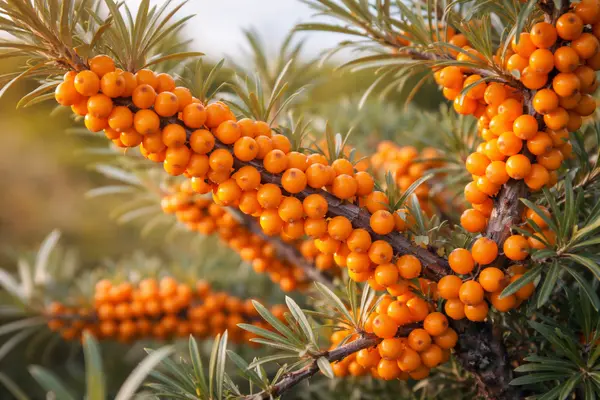
Across Eastern Europe and Asia, a vibrant orange berry has long been prized for its strength and wellness benefits. In these regions, people often use the scientific name Sea Buckthorn for this berry. However, in many Slavic countries, the regional or colloquial word ракитовица is commonly linked to certain traditional uses and products from this plant. While not a scientific term, ракитовица carries deep cultural meanings, rooted in local traditions and the landscapes where the shrub grows.
- The Origins and Meaning Behind the Name
- Botanical Profile: The Plant Commonly Linked to ракитовица
- Nutritional Composition: A Vitamin Powerhouse
- Traditional Folk Medicine Applications
- Modern Health Benefits: Skin and Beauty
- Cardiovascular and Internal Health Support
- Culinary Uses: Jams, Juices, and Elixirs
- Cultivating and Harvesting Challenges
- Cultural Significance in Eastern Europe
- Comparison: How It Stacks Up Against Superfoods
- Potential Side Effects and Safety
- Conclusion
Learning about ракитовица means more than just translating a word. It’s about exploring the stories and customs that have made this “superfood” important for generations. From old legends about helping animals regain strength to its role in today’s wellness products, the plant and its name remain woven into local heritage. This guide explains the meanings, origins, uses, and cultural significance of ракитовица.
The Origins and Meaning Behind the Name
To understand ракитовица, it helps to look at language and geography. The word comes from the Slavic “rakita,” which often refers to willow-like shrubs or plants that grow near water. This hints at where ракитовица is usually found—along rivers, coasts, or mountain slopes—suggesting a tough, adaptable plant.
In many Eastern European communities, versions of this word identify not only the plant but also the traditional foods, drinks, or remedies made from it. In this context, ракитовица is commonly linked to foraging culture and making the most of local plants. The plant’s ability to survive harsh winters and poor soil adds to its symbolism of resilience. Rather than a scientific classification, ракитовица often stands for resourcefulness in Slavic traditions.
Botanical Profile: The Plant Commonly Linked to ракитовица
The shrub most often associated with ракитовица is Hippophae rhamnoides, known in the West as Sea Buckthorn. This tough, deciduous shrub stands out because of its silvery-green leaves and clusters of bright orange-yellow berries growing on thorny branches. Its thorns help protect the berries from animals. Sometimes the shrub grows as tall as a small tree, with roots that help prevent soil erosion and keep it steady in challenging environments.
A special feature of this plant is its ability to fix nitrogen in the ground, which helps enrich the soil for other plants. It loves full sunlight and can survive where many other plants cannot. Whether on European coasts or central Asian mountains, this plant’s adaptability and rich nutrition make it truly unique.
Nutritional Composition: A Vitamin Powerhouse
The berries linked to ракитовица are packed with nutrients and are often praised in traditional health circles. They are especially well-known for their high Vitamin C content, which in some cases is much greater than in oranges. This reputation makes the plant a common choice for supporting immunity, especially in cold areas.
But Vitamin C isn’t the only benefit. The berries also hold a mix of omega fatty acids, including the rare Omega-7, as well as Omega-3, -6, and -9. Omega-7 is important for skin and mucous membrane wellness, and few other edible plants contain it. The berries are also rich in Vitamin E, carotenoids, and flavonoids, creating a strong blend of antioxidants. These qualities are a big part of why ракитовица is so highly valued in many places.
Traditional Folk Medicine Applications
In traditional folk medicine across Eastern Europe and Central Asia, ракитовица preparations have a long history. The oil from the berries or seeds is seen by many as a general remedy, used in some homes for colds, digestion issues, and skin problems. In some areas, people harvest the berries after the first frost and store them for making syrups, tinctures, and homemade balms.
A major traditional use is in wound care. For many generations, orange oil from the berries has soothed burns and skin injuries in Slavic regions. Locally made syrups and juices also help ease coughs and stomach discomfort. Stories even tell of cosmonauts using sea buckthorn oil during space missions, showing how traditional uses sometimes reach new areas—though these claims reflect local tradition more than widely accepted medical advice.
Modern Health Benefits: Skin and Beauty
The benefits commonly linked to ракитовица have caught the attention of the global skincare industry. Today, oils from the berries often appear in creams and lotions, where they are marketed for their notable Omega-7 content. Some experts believe this helps the skin stay flexible and hydrated.
Other traditional benefits include anti-inflammatory and repairing effects, making these products popular among those with dry or sensitive skin. In regions familiar with ракитовица, the oil is sometimes part of daily skincare routines to calm irritation or support healing. However, anyone new to these products should patch-test first, since the oil’s strong color can sometimes stain the skin and cause irritation for sensitive users.
Cardiovascular and Internal Health Support
Traditional wisdom and some newer studies suggest the rich nutrients found in ракитовица may help the heart and blood vessels. It’s widely believed in some regions that the plant’s omega fatty acids encourage healthy cholesterol levels and circulation. Oil from the berries is also used in some places to soothe the linings of the digestive system.
Still, it’s worth noting that while these uses are traditional, more research is needed. Anyone thinking about adding ракитовица-based products to their diet should go slowly and consult with a healthcare provider, especially if they have long-term health conditions.
- Key Takeaway: ракитовица has a tradition of supporting heart and digestive health.
- Key Takeaway: Many users value its help for healthy mucous membranes.
For more ways to add wellness habits to your life, visit TrandMagazine.
Culinary Uses: Jams, Juices, and Elixirs
In many parts of Europe and Asia, ракитовица is a familiar ingredient in homemade preserves, juices, and even local drinks. The berries are extremely sour, so people seldom eat them raw. Instead, they become jams, syrups, or flavorings for alcoholic drinks. Some cultures love their tangy flavor in sauces for meats or desserts that need a citrusy lift.
The intense, tart taste makes ракитовица stand out in traditional cooking. Modern chefs and home cooks alike enjoy experimenting with these bright berries to make one-of-a-kind jams, compotes, and infusions.
Cultivating and Harvesting Challenges
One reason ракитовица-based products can be expensive is that harvesting the berries is hard work. The plant’s sharp thorns guard fruit that’s packed tightly along the branches, making berries tricky to pick without bursting them. Some growers cut and freeze entire branches before gently removing the berries, though this can reduce next year’s harvest.
This plant also needs special growing conditions, such as sandy soil and plenty of sun, so it is mostly found in certain locations. These challenges are part of what makes ракитовица valuable both locally and in growing international markets.
Cultural Significance in Eastern Europe
For many people in Eastern Europe and nearby countries, ракитовица stands for more than just a plant; it’s a symbol of survival and tradition. Its bright berries light up autumn and signal the need to get ready for winter. Families often pass down recipes for jams, infusions, or spirits, each with a special twist based on local and family traditions.
Aside from food, the shrub is sometimes planted to help keep soil in place around homes, showing its importance not just for nutrition but for practical needs as well.
Comparison: How It Stacks Up Against Superfoods
Comparing features of ракитовица with other “superfoods” helps show why many traditional users value it so highly.
Feature | ракитовица (commonly linked to Sea Buckthorn) | Acai Berry | Orange |
|---|---|---|---|
Primary Vitamin | Vitamin C (often high), Vitamin E | Vitamin A, Calcium | Vitamin C |
Omega Fatty Acids | 3, 6, 9, and 7 (in some cases) | 3, 6, 9 | Negligible |
Taste Profile | Sour, Citrusy, Astringent | Earthy, Berry-like, Chocolatey | Sweet, Citrusy |
Best For | Skin health, Immunity, Mucous Membranes | Antioxidants, Brain Health | Immunity, General Health |
Preparation | Oils, Jams, Juices | Smoothies, Powders | Fresh, Juice |
While these other fruits have their benefits, ракитовица stands out in regions where its unique mix of vitamins and fats are especially desired for skin and tissue health. The preferred choice depends on personal tastes and traditions.
Potential Side Effects and Safety
Although ракитовица-based products are natural, that doesn’t mean they are safe for everyone. In places where use is traditional, most people enjoy the berries and oils in moderate amounts without any trouble. Still, concentrated oils can interfere with some medicines that thin the blood, or lower blood pressure. Pregnant or breastfeeding people should avoid high-dose supplements, as with any herbal product without thorough safety data.
The best advice is to check with a healthcare provider before trying ракитовица, especially if you have allergies or health conditions. Always introduce new foods or supplements gradually.
Conclusion
The story of ракитовица is deeply rooted in the lands and cultures of Eastern Europe and Asia. Whether on the table, in beauty routines, or in home remedies, ракитовица symbolizes nature’s resilience and the traditions of those who use it. Its nutrients, tough growing habits, and cultural importance combine to make it a lasting symbol of resourcefulness and well-being.
FAQ
Q: What does the word ракитовица mean?
A: It is a regional or colloquial Slavic term commonly associated with Sea Buckthorn or traditional plant-based preparations in some areas.
Q: Can I eat the berries raw?
A: Yes, you can, but they are very sour and astringent. Most people prefer them in jams or juices.
Q: Is it good for acne?
A: Oil from the berries is often used in traditional home remedies for skin care, especially in places where ракитовица is well known.
Q: Where does the plant grow?
A: It is found in Europe and Asia, often in sandy or mountainous locations, and is known for its ability to thrive in harsh conditions.
Q: How much Vitamin C does it have?
A: Depending on the type and where it’s grown, the berries can have much more Vitamin C than oranges.