Fashion has always been a conversation, a visual dialogue between culture, identity, and creativity. But what happens when that conversation becomes a live, evolving digital artifact? This is the core question behind the fashion’s never finished gif social experiment. This unique project blends technology, community, and style into a continuously changing digital tapestry. It challenges our traditional understanding of a finished design by turning the creative process into a collaborative, public spectacle. In this article, we’ll dive deep into this fascinating intersection of art and social media, exploring how it works, what it means for the future of fashion, and why it has captured the imagination of so many. We will look at its origins, the technology that powers it, and its wider impact on brand engagement and creative expression.
- What Is the “Fashion’s Never Finished GIF Social Experiment”?
- The Origins of a Digital Fashion Movement
- How Does the Technology Work?
- Breaking Down the Creative Process
- The Impact on Fashion and Brand Engagement
- Digital Fashion vs. Traditional Fashion
- Analyzing the Psychology of Participation
- The Future of Collaborative Digital Fashion
- Legal and Copyright Considerations
- Conclusion
What Is the “Fashion’s Never Finished GIF Social Experiment”?
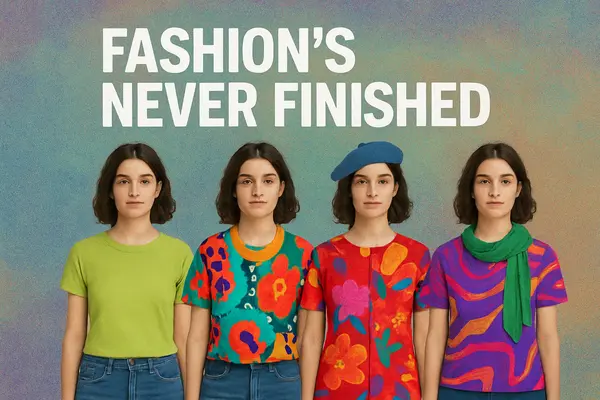
At its heart, the fashion’s never finished gif social experiment is a collaborative digital art project. It begins with a single base image or a short video clip of a model wearing a simple garment. This initial frame is then shared online, and a community of artists, designers, and the general public is invited to add to it. Each person adds a new layer of design—a pattern, an accessory, a different color, or even a completely new piece of clothing—and saves it as the next frame in a sequence. When these frames are stitched together, they create a looping GIF that showcases an ever-evolving outfit. The “never finished” aspect is key; the loop symbolizes a perpetual cycle of creation and re-creation, where no single design is ever final. This process transforms a static piece of clothing into a dynamic, crowd-sourced masterpiece, reflecting a multitude of styles and ideas.
The Origins of a Digital Fashion Movement
The concept of collaborative digital art is not entirely new, but its application in the fashion world through this specific experiment marked a significant shift. The idea draws inspiration from online communities like Reddit, where projects such as “Reddit Places” demonstrated the power of collective digital creation on a massive scale. Fashion brands, always looking for innovative ways to engage their audience, saw an opportunity. They wanted to move beyond one-way communication and create a more interactive experience. The fashion’s never finished gif social experiment emerged as a perfect vehicle for this. It allowed brands to tap into the creativity of their followers, turning passive consumers into active co-creators. This genesis was less about a single “big bang” moment and more of a gradual evolution, driven by the increasing integration of social media into our daily lives and the desire for more authentic, user-generated content that resonates with modern audiences.
How Does the Technology Work?
The technological backbone of this experiment is surprisingly simple yet effective. The primary tool is the Graphics Interchange Format, or GIF. A GIF is an image file that supports both animated and static images, allowing for a sequence of frames to be played in a loop. Participants typically use common graphic design software—from professional tools like Adobe Photoshop to free web-based apps like Canva or GIMP—to edit the image. Each contributor downloads the latest frame of the GIF, adds their creative layer, and then uploads the new version. An administrator or an automated system then appends this new frame to the sequence. The result is a continuously growing animation. The process relies heavily on social media platforms like Instagram, X (formerly Twitter), or dedicated forums where the project is hosted, shared, and managed, making community participation seamless and viral.
The Role of Community Participation
The entire project hinges on community involvement. Without an active and engaged group of contributors, the GIF would remain static. This is where the “social” aspect of the experiment truly shines. Organizers use hashtags, online forums, and social media campaigns to attract participants. The open invitation encourages a diverse range of creative inputs, from professional graphic designers to amateur doodlers. This diversity is what makes the final product so compelling and unpredictable. Each addition reflects a unique personal style, cultural background, and creative vision. The project fosters a sense of collective ownership and shared accomplishment, as everyone who contributes can see their work become part of a larger, evolving piece of art. It’s a powerful demonstration of how digital tools can build creative communities.
Key Takeaways from the Experiment
This innovative project offers several important insights into the changing landscape of fashion and marketing.
- Co-Creation is the New Marketing: Brands that empower their audience to participate in the creative process build stronger, more loyal communities.
- Authenticity Drives Engagement: User-generated content feels more genuine and relatable than traditional, polished advertising campaigns.
- The Process is as Important as the Product: The experiment highlights the beauty of the creative journey, not just the final outcome.
- Digital Fashion is a Growing Frontier: This project is a precursor to more complex digital fashion initiatives, including NFTs and metaverse wearables.
Breaking Down the Creative Process
The creative process of the fashion’s never finished gif social experiment is fluid and democratic. It starts with a simple prompt: a blank canvas in the form of a basic garment. From there, the rules are minimal to encourage maximum creativity. The first contributor might add a splash of color to a white t-shirt. The next might overlay a floral pattern. Someone else could add a digital necklace, a hat, or even change the texture of the fabric to look like denim or silk. With each new frame, the outfit transforms. One moment it’s a piece of minimalist streetwear, and the next it’s an elaborate piece of avant-garde couture. This constant evolution is what makes watching the GIF so mesmerizing. It’s a visual representation of a brainstorming session where every idea is instantly brought to life, creating a beautiful and sometimes chaotic symphony of style.
The Impact on Fashion and Brand Engagement
The fashion’s never finished gif social experiment has had a tangible impact on how brands interact with their customers. It provides a powerful alternative to traditional marketing campaigns. Instead of simply pushing products, brands can create experiences that invite participation. This fosters a sense of community and makes customers feel like valued partners in the brand’s creative journey. For example, a successful execution of this experiment can generate significant organic reach and buzz on social media, far exceeding the impact of a standard ad. It also provides brands with a wealth of user-generated content that can be repurposed for other marketing materials. More importantly, it offers direct insight into the aesthetic preferences of their audience, serving as a real-time focus group for new ideas and trends.
Digital Fashion vs. Traditional Fashion
This experiment starkly highlights the differences between digital and traditional fashion. The table below compares key aspects of both worlds.
Feature | Traditional Fashion | Digital Fashion (as seen in the GIF experiment) |
|---|---|---|
Creation Process | Physical materials, long lead times, individual designers. | Digital tools, instant creation, collaborative. |
Final Product | A finished, physical garment. | An ever-evolving, intangible digital artifact. |
Accessibility | Limited by cost, geography, and production. | Open to anyone with an internet connection. |
Sustainability | Involves material waste and environmental impact. | Zero physical waste, environmentally friendly. |
Ownership | Clearly defined; owned by the consumer/brand. | Collective and fluid; owned by the community. |
This comparison shows how digital mediums are dismantling traditional barriers in the fashion industry, paving the way for a more inclusive and sustainable future.
Analyzing the Psychology of Participation
Why are people so drawn to participating in something like the fashion’s never finished gif social experiment? The psychology is rooted in fundamental human desires for creativity, community, and recognition. Firstly, it offers a low-stakes creative outlet. There’s no pressure to produce a masterpiece; every small contribution is valued as part of the whole. This accessibility empowers people who may not consider themselves “artists” to express themselves visually. Secondly, it taps into our need for belonging. By contributing, participants become part of a collective effort and a shared story. Seeing your addition appear in the evolving GIF provides a small but significant thrill of recognition and validation. This sense of being part of something bigger than oneself is a powerful motivator, echoing the success of other collaborative online projects and movements.
The Future of Collaborative Digital Fashion
The fashion’s never finished gif social experiment is more than just a novelty; it’s a glimpse into the future of fashion. As we move further into the digital age, the line between our physical and online identities continues to blur. This project serves as a foundational concept for the burgeoning world of metaverse fashion, where users will purchase, wear, and even design their own digital apparel for their avatars. The collaborative, community-driven ethos of the experiment is likely to become a core principle in these new digital spaces. Brands are already exploring NFTs that grant owners co-creation rights or access to exclusive design communities. The future of fashion may be less about what you wear on your physical body and more about how you express your identity in the vast, interconnected digital universe. You can explore more on evolving trends at TrandMagazine.
Legal and Copyright Considerations
One of the complex challenges arising from this type of collaborative project involves copyright and intellectual property. Who owns the final GIF? Is it the original creator, the brand that sponsored it, or the community of contributors? The answer is often murky and depends on the terms of service set at the project’s outset. Most of these experiments operate under a Creative Commons license, which allows for free sharing and modification, or the platform’s user agreement implicitly grants the host a license to use the content. However, as digital assets gain monetary value (for example, if the GIF were to be sold as an NFT), these ownership questions become much more critical. Legal frameworks are still catching up to the realities of decentralized, collaborative creation, and this remains a significant area of debate.
Conclusion
The fashion’s never finished gif social experiment is a brilliant case study in the power of collaborative creativity. It transforms the traditionally exclusive world of fashion design into an open, inclusive, and dynamic conversation. By leveraging simple technology and the universal desire to create, it has built vibrant communities and redefined what it means to engage with a brand. This project is more than just a clever marketing tactic; it is a cultural artifact that reflects our increasingly digital lives. It challenges the idea of a finished product, celebrating instead the endless, evolving journey of creation. As we look toward the future, the principles behind this experiment—community, co-creation, and digital expression—will undoubtedly shape the next chapter of the fashion industry.
Frequently Asked Questions (FAQ)
Q1: How can I participate in a fashion GIF experiment?
A: Look for brands or online art communities hosting these projects on social media platforms like Instagram, X, or TikTok. They are often promoted using specific hashtags.
Q2: What skills do I need to contribute?
A: No special skills are required! While graphic design knowledge is helpful, many participants simply use free apps to add colors, text, or simple shapes. All creative inputs are welcome.
Q3: Is the “fashion’s never finished gif social experiment” related to NFTs?
A: It can be. While the core concept predates the NFT boom, some of these collaborative GIFs have been minted and sold as NFTs, sharing the proceeds among the contributors or a designated charity.