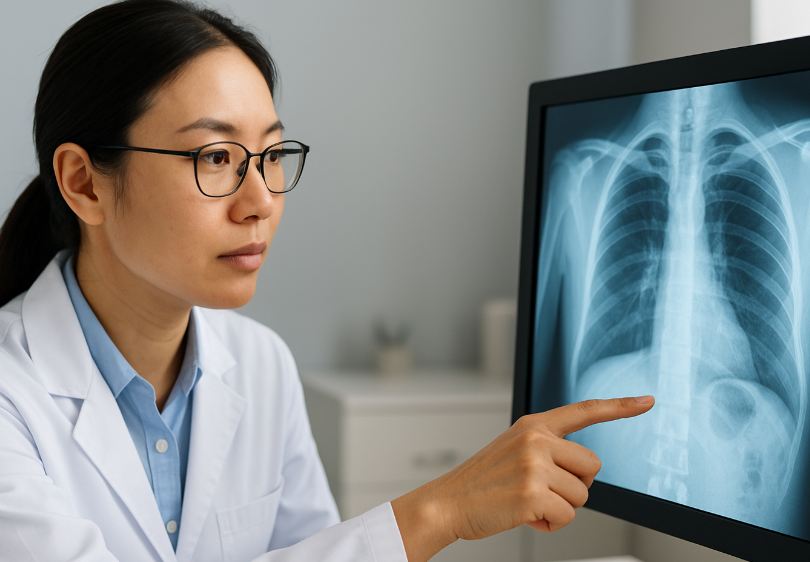
When it comes to medical care, accurate diagnosis is the foundation of effective treatment. This is where the expertise of a radiologist becomes invaluable. If you have been searching for information regarding Catherine Ho Radiology, you likely understand the importance of finding a skilled specialist in the field of medical imaging. Radiology is not just about taking pictures; it is about interpreting complex data to save lives.
- Who Is Catherine Ho in the Field of Radiology?
- The Vital Importance of Specialized Diagnostic Imaging
- Common Procedures Performed and Interpreted
- Education and Credentials of a Top Radiologist
- The Difference Between Diagnostic and Interventional Radiology
- Patient Safety and Radiation Protocols
- Preparing for Your Radiology Appointment
- Comparing Radiologists and Radiologic Technologists
- Why Choosing the Right Radiologist Matters
- The Future of Radiology: AI and Technology
- Frequently Asked Questions (FAQ)
- Conclusion
This article explores the vital role of radiologists, the standards of care you should expect from professionals like Dr. Catherine Ho, and how diagnostic imaging fits into your overall health journey. Whether you need an MRI, a CT scan, or an X-ray, understanding the qualifications and processes behind these tests can help you feel more confident in your care.
Who Is Catherine Ho in the Field of Radiology?
When patients look for terms like Catherine Ho Radiology, they are often seeking a trusted name in medical diagnostics. A radiologist is a medical doctor who specializes in diagnosing and treating injuries and diseases using medical imaging (radiology) procedures (exams/tests). These professionals have undergone extensive training—usually at least 13 years—including medical school, a four-year residency, and often a one- to two-year fellowship of specialized training.
A professional in this field, such as one identified with Catherine Ho Radiology, would typically handle a variety of diagnostic tasks. Their day-to-day work involves analyzing images to detect abnormalities that are invisible to the naked eye. They work primarily behind the scenes, collaborating closely with your referring physician. The radiologist acts as an expert consultant to your primary doctor, ensuring that the diagnosis is accurate so that the correct treatment plan can be created. Their expertise covers everything from broken bones to complex cancer screenings.
The Vital Importance of Specialized Diagnostic Imaging
Diagnostic imaging is the lens through which doctors see inside the human body. Without the expertise found in practices like Catherine Ho Radiology, many conditions would remain hidden until they became critical. Imaging allows for early detection, which is often the most significant factor in successful treatment outcomes. For example, mammograms can detect breast cancer years before a lump can be felt, and CT scans can catch internal bleeding immediately after a trauma.
Specialized imaging is not a one-size-fits-all approach. Different parts of the body and different types of tissues require specific technologies. A neuroradiologist focuses on the brain, while a musculoskeletal radiologist looks at joints and bones. This specialization ensures that when a patient undergoes a scan, the person interpreting it has deep knowledge of that specific area. High-quality radiology practices prioritize this level of specialization to minimize errors and maximize diagnostic accuracy.
Common Procedures Performed and Interpreted
In the world of Catherine Ho Radiology, you will encounter several standard procedures. Each has a specific purpose and uses different technology to visualize the body.
- X-rays: The most common form of imaging, used primarily for checking bone fractures and chest issues like pneumonia.
- Computed Tomography (CT) Scans: These use rotating X-ray machines to create cross-sectional images of the body, providing much more detail than a standard X-ray.
- Magnetic Resonance Imaging (MRI): This uses strong magnetic fields and radio waves to generate images of soft tissues, organs, and the brain without using radiation.
- Ultrasound: Using sound waves, this is commonly used for monitoring pregnancy but also for examining the heart, liver, and kidneys.
Understanding these distinctions helps patients prepare for their visits. For instance, while an X-ray takes seconds, an MRI can take up to an hour and requires the patient to lie perfectly still in a confined space.
Education and Credentials of a Top Radiologist
The path to becoming a radiologist is rigorous, ensuring that professionals associated with keywords like Catherine Ho Radiology are highly qualified. After graduating from medical school, a doctor must complete a four-year residency in radiology. During this time, they learn the physics of imaging, radiation safety, and the anatomy of the human body in incredible detail. They must pass board exams to become certified.
Many radiologists go even further, completing a fellowship in a sub-specialty. This might be in pediatric radiology, interventional radiology, or nuclear medicine. Board certification by organizations like the American Board of Radiology serves as a gold standard for patients. When you choose a radiologist, checking for board certification ensures that the doctor has met the highest standards of education and practice in the United States. This credentialing is crucial for patient peace of mind and safety.
The Difference Between Diagnostic and Interventional Radiology
It is helpful to distinguish between the two main branches of this field. Diagnostic radiology, which is often what people associate with Catherine Ho Radiology, focuses on assessing images to identify the cause of a patient’s symptoms. They are the detectives of the medical world, looking for clues in the shadows and shades of grey on an X-ray or MRI.
Interventional radiology, on the other hand, involves treatment. Interventional radiologists use imaging to guide tiny instruments, such as catheters, through blood vessels or other pathways to treat conditions directly. This can include unblocking arteries, draining abscesses, or treating tumors directly at the site. These minimally invasive procedures often replace the need for open surgery, leading to faster recovery times and less pain for the patient. Both fields require distinct skill sets but rely on the same fundamental understanding of imaging physics and anatomy.
Patient Safety and Radiation Protocols
One of the primary concerns patients have is exposure to radiation. A reputable professional in the realm of Catherine Ho Radiology will always prioritize patient safety through the principle of ALARA (As Low As Reasonably Achievable). This means using the lowest possible dose of radiation to get a clear image.
Radiologists and technicians are trained to shield parts of the body not being imaged and to adjust equipment settings based on the patient’s size and age. For example, pediatric settings are significantly lower than adult settings. Furthermore, not all imaging uses radiation; MRIs and ultrasounds are radiation-free. A good radiologist will weigh the benefits of the scan against the potential risks, ensuring that the procedure is truly necessary for the patient’s health.
Key Safety Measures
- Lead Aprons: Used to shield sensitive areas.
- Digital Sensors: Modern equipment requires less radiation than older film units.
- Regular Maintenance: Equipment is tested frequently to ensure accuracy and safety.
Preparing for Your Radiology Appointment
Preparation can make a significant difference in the quality of the images captured. If you have an appointment with a clinic associated with Catherine Ho Radiology, you will receive specific instructions based on your exam. For an ultrasound of the abdomen, for instance, you might be asked not to eat or drink for several hours beforehand. This is because food in the stomach or gas in the intestines can block the sound waves, creating a blurry image.
For an MRI, the most critical preparation involves removing all metal objects. Jewelry, watches, and even clothing with metal zippers can interfere with the magnetic field and pose a safety risk. Patients with implants, like pacemakers, must inform the staff immediately. Being well-prepared ensures the process is smooth, the images are clear, and you don’t have to repeat the exam, saving both time and medical resources.
Comparing Radiologists and Radiologic Technologists
Patients often confuse the person taking the picture with the person interpreting it. This table breaks down the differences to clarify roles within a Catherine Ho Radiology context.
Feature | Radiologist (MD/DO) | Radiologic Technologist |
|---|---|---|
Education | Medical School (MD/DO) + Residency (13+ years total) | Associate’s or Bachelor’s Degree (2-4 years) |
Primary Role | Interprets images, diagnoses conditions, consults doctors | Operates equipment, positions patients, captures images |
Patient Interaction | Limited (mostly behind scenes or procedures) | High (direct patient care during scan) |
Salary Tier | High (Physician level) | Mid-range (Healthcare specialist level) |
Licensing | Medical License + Board Certification | State License + ARRT Certification |
Understanding this distinction helps you know who to ask questions to. The technologist can explain the procedure, but they cannot give you the results—only the radiologist can provide the diagnosis.
Why Choosing the Right Radiologist Matters
Not all imaging experiences are the same. Choosing a provider aligned with the standards of Catherine Ho Radiology means looking for quality, speed, and accuracy. A delayed diagnosis can allow a condition to worsen, while an inaccurate one can lead to unnecessary treatments or surgeries.
You should look for facilities that are accredited by the American College of Radiology (ACR). Accreditation means the facility has undergone a rigorous review process to meet specific quality standards regarding equipment, medical personnel, and quality assurance. Additionally, reading patient reviews can provide insight into the “soft skills” of the practice, such as how friendly the staff is, how clean the facility is, and how quickly reports are sent to your primary doctor. For more insights on lifestyle and health trends, you can visit Trand Magazine.
The Future of Radiology: AI and Technology
The field of radiology is currently undergoing a massive transformation due to Artificial Intelligence (AI). While human experts like those at Catherine Ho Radiology are irreplaceable, AI is becoming a powerful assistant. AI algorithms can scan thousands of images in seconds, flagging potential abnormalities for the radiologist to review. This “second pair of eyes” helps reduce fatigue-related errors and ensures that subtle issues are not missed.
Future technologies also include 3D printing based on CT scans, allowing surgeons to practice on a model of the patient’s organ before the actual surgery. This reduces operating time and improves outcomes. As technology advances, the role of the radiologist shifts from just interpretation to managing and integrating these high-tech tools into patient care, ensuring that the human element of compassion and judgment remains at the center of medicine.
Frequently Asked Questions (FAQ)
Q: Do I need a referral to see a radiologist?
A: Yes, in most cases, a radiologist acts as a consultant. Your primary care physician or specialist will order the scan, and the radiologist interprets it. However, for screening mammograms, you can often self-refer.
Q: How long does it take to get results from Catherine Ho Radiology?
A: Routine results are usually sent to your doctor within 24 to 48 hours. In emergency situations, preliminary results can be available within minutes.
Q: Is MRI safe for everyone?
A: MRI is generally safe but is not suitable for people with certain metallic implants, pacemakers, or severe claustrophobia. Always discuss your medical history with the technologist before the exam.
Q: What should I wear to my appointment?
A: Wear loose, comfortable clothing without metal zippers, snaps, or buttons. You may be asked to change into a hospital gown for the procedure to ensure image clarity.
Conclusion
Navigating the world of medical imaging can be intimidating, but understanding the role of experts like those at Catherine Ho Radiology makes the process clearer. Radiologists are the unsung heroes of healthcare, providing the critical insights needed to diagnose and treat illness effectively. By combining advanced technology with extensive medical training, they ensure that your doctor has the full picture of your health.
Remember to verify credentials, ask questions about safety protocols, and prepare properly for your exams. Whether you are undergoing a routine screening or investigating a complex symptom, the quality of your radiology team plays a pivotal role in your health outcomes. Prioritizing expertise and accuracy is the best step you can take for your long-term well-being.