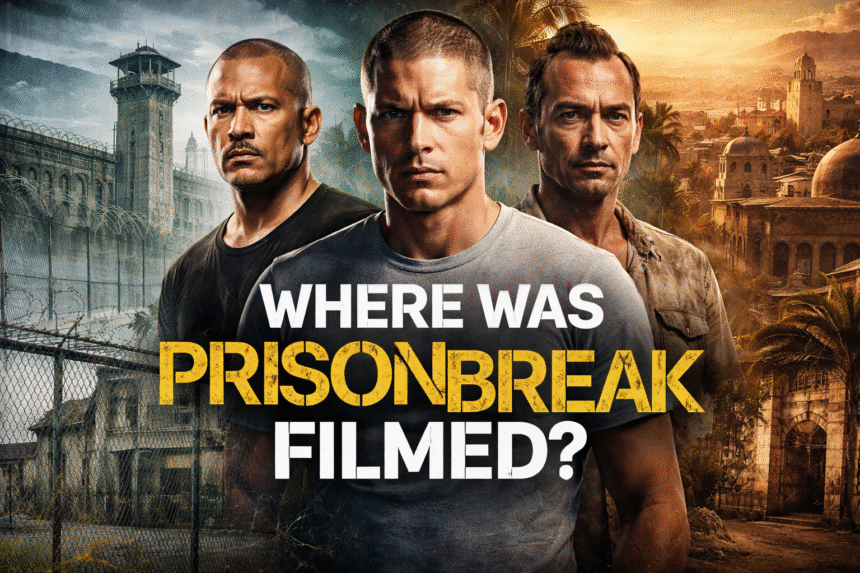
When you watch a gripping show like Prison Break, the setting becomes almost as important as the characters. The cold steel bars, the high fences, and the gritty atmosphere all contribute to the tension. Many fans find themselves asking, where was Prison Break filmed? Was it a real prison, or just a clever Hollywood set? The answer is a fascinating mix of both authentic locations and creative filmmaking magic.
- The Iconic Fox River State Penitentiary
- Why Joliet Correctional Center Was Chosen
- Filming Outside the Prison in Chicago
- The Shift to Texas for Season 2
- Creating Sona: The Hellish Panamanian Prison
- Filming in Panama and Florida for Season 3
- The Return to Los Angeles for Season 4
- Ogygia Prison and the Revival in Morocco
- Vancouver: The Final Piece of the Puzzle
- Comparing the Main Prison Locations
- The Role of Set Design in Authenticity
- How Filming Locations Impacted the Actors
- Exploring TrandMagazine
- Conclusion
In this deep dive, we will explore the real-world locations that brought Fox River State Penitentiary and Sona to life. From the chilly corridors of Illinois to the sun-soaked landscapes of Texas and Panama, the production team traveled far and wide to capture the perfect look. Whether you are a die-hard fan or a curious traveler, this guide will take you behind the scenes of one of TV’s most intense dramas.
The Iconic Fox River State Penitentiary
The most famous location in the entire series is undoubtedly Fox River State Penitentiary. This is where the story begins, where Michael Scofield executes his brilliant escape plan. But this wasn’t just a soundstage in Los Angeles. To answer where was Prison Break filmed for the first season, we have to look at the Joliet Correctional Center in Joliet, Illinois. This real-life prison had closed down in 2002, just a few years before filming began, making it the perfect empty canvas for the show.
Filming inside a real prison gave the actors an eerie sense of reality. The cast and crew have often spoken about the heavy atmosphere inside the walls. The cells, the yard, and the infirmary were all part of the actual facility. Using a genuine location added a layer of authenticity that is hard to replicate. The peeling paint, the echoes in the hallways, and the cold steel were all 100% real, grounding the show in a gritty reality that hooked viewers immediately.
Why Joliet Correctional Center Was Chosen
Choosing the right location is critical for a show centered on a prison escape. The production team scouted several locations, but Joliet stood out. Located about 40 miles southwest of Chicago, it had the imposing limestone walls and gothic architecture that screamed “inescapable fortress.” It wasn’t just about looks, though; it was about logistics. Because the prison was decommissioned, the crew had free rein to film in areas that would be off-limits in an active facility.
Another reason for selecting Joliet was its history. It opened in 1858 and housed thousands of inmates over the years. This history seemed to seep into the film, providing a texture that new sets simply don’t have. When you ask where was Prison Break filmed, knowing it was a place with over a century of real incarceration history adds a spooky weight to the fictional story. It allowed the directors to shoot wide angles without worrying about hitting a fake wall or a coffee shop across the street.
Filming Outside the Prison in Chicago
While the prison scenes were intense, the story also required scenes from the outside world. The production team utilized Chicago, Illinois, and its surrounding suburbs extensively. This provided a stark contrast to the claustrophobic feel of the prison. The city’s unique architecture, wintry weather, and urban landscapes served as the backdrop for the conspiracy unfolding outside the walls. Lincoln Burrows’ legal battles and the covert meetings often took place in recognizable Chicago spots.
Filming in the “Windy City” presented its own challenges, particularly the weather. The first season was shot through the fall and winter, meaning the actors were often freezing cold. You can sometimes see their breath in the outdoor scenes. However, this harsh weather played perfectly into the mood of the show. It made the stakes feel higher and the environment more hostile. Chicago provided the grit and the gray skies that matched the desperate tone of the series perfectly.
The Shift to Texas for Season 2
After the escape, the scenery had to change drastically. The characters were on the run, and the show became a road trip thriller. So, where was Prison Break filmed for Season 2? The production moved south to the Dallas-Fort Worth area in Texas. This shift was necessary to depict the various states the fugitives were traveling through. Texas offered a versatile landscape that could double for multiple locations across the Midwest and the Southwest.
Texas provided rural roads, small towns, and dry landscapes that contrasted sharply with the cold, industrial feel of Illinois. The heat was real, and the sweat on the actors’ faces wasn’t always makeup. This change in location mirrored the characters’ exposure to the elements and the constant pressure of being hunted. From high-speed chases to tense standoffs in dusty motels, the Dallas area provided the perfect canvas for a nationwide manhunt.
Creating Sona: The Hellish Panamanian Prison
Season 3 introduced us to Sona, a lawless prison in Panama where the inmates ran the show. This was a massive shift in tone and aesthetic. Fans often wonder if the crew actually went to Panama to shoot these scenes. While some establishing shots were indeed filmed in Panama to capture the tropical vibe, the actual prison set for Sona was constructed in Texas.
The production team found an old meat-packing plant in the Dallas-Fort Worth area and transformed it into the sweaty, gritty hellhole known as Sona. They needed a location that felt humid, crowded, and dangerous. By dressing the set with dirt, grime, and makeshift structures, they created a distinct look that was visually the opposite of Fox River. It was a brilliant example of movie magic—making a facility in Texas look and feel like a tropical nightmare in Central America.
Filming in Panama and Florida for Season 3
Although the main Sona set was in Texas, the production did travel to capture authentic environments. To sell the idea that the characters were in Panama, the crew filmed key exterior shots in Panama City and Casco Viejo. These shots established the geography and local culture, grounding the story in its new setting. The vibrant colors and tropical vegetation were essential to distinguishing this season from the previous ones.
Additionally, some scenes intended to be in tropical locations were filmed in Florida. The beaches and palm trees helped simulate the Panamanian coast. This mix of Texas sets, Florida beaches, and actual Panama footage created a seamless visual experience. It shows how complex the answer to where was Prison Break filmed can be—it’s often a puzzle of different locations pieced together to create a single coherent world.
The Return to Los Angeles for Season 4
By the time Season 4 rolled around, the scope of the show had expanded even further. The team needed a location that could offer a variety of urban environments to represent different cities as the team hunted for “Scylla.” The production moved to Los Angeles, California. This is a common move for long-running shows, as L.A. offers diverse filming locations and keeps costs manageable for studios based there.
In Season 4, you might notice a slicker, more polished look. Los Angeles provided modern office buildings, warehouses, and coastal views that fit the “heist” theme of the season. While they were technically in Hollywood’s backyard, the location scouts worked hard to find spots that didn’t look typically “L.A.” They used industrial areas and generic cityscapes to stand in for various locations, keeping the focus on the high-tech espionage plot rather than the scenery.
Ogygia Prison and the Revival in Morocco
Years later, Prison Break returned for a fifth season, bringing Michael Scofield back from the dead in a Yemeni prison called Ogygia. Depicting a war-torn Middle Eastern country required a very specific look. For this ambitious setting, the production traveled to Morocco. Cities like Ouarzazate, Rabat, and Casablanca served as the backdrop for Yemen.
Morocco has long been a favorite destination for filmmakers needing desert landscapes and ancient architecture. It provided the dusty, sun-bleached aesthetic necessary for the story. The vibrant markets, the distinct architecture, and the arid terrain were crucial for selling the setting of a country in turmoil. Filming in an international location like Morocco added a grand, cinematic scale to the revival season that domestic locations simply couldn’t match.
Vancouver: The Final Piece of the Puzzle
For the revival season, not everything was shot in Morocco. A significant portion of filming took place in Vancouver, British Columbia. Vancouver is often called “Hollywood North” because of its versatility and tax incentives. It served as the base of operations for the season, with many interior scenes and North American settings filmed there.
Vancouver provided the lush greenery and modern city streets needed for the scenes involving Lincoln Burrows and Sara Tancredi before they head to Yemen. It also doubled for parts of Ithaca, New York. The contrast between the dry heat of the Morocco footage and the cool, damp look of Vancouver helped visually separate the two main storylines of the season—Michael’s struggle in the prison and his family’s life back home.
Comparing the Main Prison Locations
To help visualize the differences between the major prison settings used in the show, here is a quick comparison table. This breakdown highlights how the show used real locations versus constructed sets to achieve its goals.
Prison Name | Fictional Location | Filming Location | Type of Location |
|---|---|---|---|
Fox River | Joliet, Illinois | Joliet Correctional Center, IL | Real Decommissioned Prison |
Sona | Panama | Dallas-Fort Worth, Texas | Converted Meat-Packing Plant |
Ogygia | Yemen | Ouarzazate & Rabat, Morocco | Real Locations & Sets |
Miami-Dade | Miami, Florida | Texas & Florida | Sets & Location Shots |
This table shows the resourcefulness of the production team. While Fox River relied on the heavy history of a real prison, Sona relied on set design and atmosphere to create a terrifying environment.
The Role of Set Design in Authenticity
While knowing where was Prison Break filmed is interesting, the work of the set designers is what truly sold the illusion. Even when filming in a real prison like Joliet, the team had to modify spaces to fit the script. For example, cells often had to be adapted to allow for camera movement. Walls were sometimes “wild,” meaning they could be removed to get the right camera angle.
In seasons where they didn’t have a real prison, like Season 3’s Sona, the design team had to build the world from scratch. They used lighting, props, and textures to make the viewer feel the heat and smell the dirt. Details like sweat stains on shirts, grim on the walls, and the constant presence of flies were deliberate choices to make the audience feel uncomfortable, mirroring the characters’ experiences.
How Filming Locations Impacted the Actors
The actors have frequently discussed how the locations influenced their performances. Filming in Joliet, for instance, had a psychological effect. Dominic Purcell (Lincoln) and Wentworth Miller (Michael) mentioned that walking onto the set in the morning felt heavy. The history of the place did a lot of the acting work for them. It wasn’t hard to look miserable when you were shivering in a freezing, real-life prison block.
In contrast, the move to Texas and later Morocco brought physical challenges. The heat became a character in itself. Dealing with real environmental factors—whether it was the biting cold of Chicago or the blazing sun of Morocco—helped the cast deliver raw, physical performances. They weren’t just pretending to be exhausted; often, the travel and the elements meant they really were.
Exploring TrandMagazine
If you love deep dives into entertainment history and behind-the-scenes facts, you should check out more articles on TrandMagazine. Just like uncovering the secrets of Prison Break, exploring pop culture trivia can give you a whole new appreciation for your favorite shows. Whether it’s the latest trends or nostalgic looks at classic series, there is always something new to discover about the media we love.
Conclusion
So, where was Prison Break filmed? The answer spans continents and climates. It started in the chilling, authentic halls of Joliet Correctional Center in Illinois, moved to the dusty roads of Texas, explored the urban sprawl of Los Angeles, and finally traveled across the ocean to Morocco and Vancouver. Each location was carefully chosen not just for its look, but for the feeling it evoked.
The show’s commitment to using diverse and often authentic locations played a huge role in its success. It grounded the unbelievable escape plots in a tangible reality. Whether it was the stone walls of Fox River or the sun-baked dust of Yemen, the setting was always a formidable obstacle for Michael Scofield to overcome.
Key Takeaways
- Fox River is Real: Season 1 was filmed at the actual decommissioned Joliet Correctional Center in Illinois.
- Texas Double: The Dallas-Fort Worth area served as the backdrop for the cross-country chase in Season 2 and the Panamanian prison Sona in Season 3.
- International Scope: The Season 5 revival used locations in Morocco to depict Yemen, adding a cinematic scale.
- Versatile Cities: Chicago, Los Angeles, and Vancouver all played pivotal roles in bringing the world of Prison Break to life.
- Authenticity Matters: Filming in real prisons and harsh climates helped actors deliver more convincing performances.
FAQ
Q: Can you visit the prison where Prison Break was filmed?
A: Yes! The Joliet Correctional Center in Illinois offers tours to the public. You can walk the same halls as Michael and Lincoln.
Q: Was the prison in Season 3 real?
A: No, the Sona prison was not a real prison facility. It was a set constructed at an old meat-packing plant in Texas.
Q: Why did they stop filming in Illinois?
A: The story required the characters to be on the run. Moving production to Texas allowed for a greater variety of landscapes to simulate a cross-country journey.
Q: Is the prison in Yemen real?
A: The Ogygia prison depicted in Season 5 is fictional, but the scenes were filmed in real locations in Morocco to ensure an authentic Middle Eastern look.