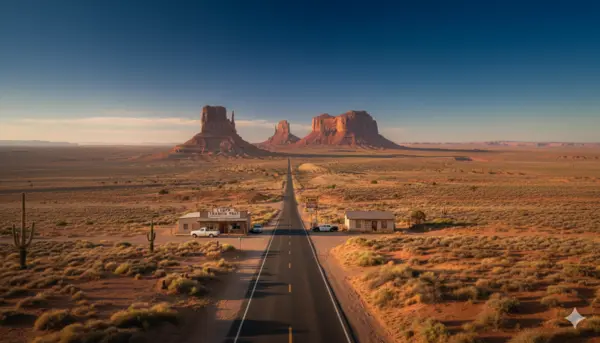
The AMC series Dark Winds draws viewers in with its gripping mysteries and deep character arcs. Yet, it’s the dramatic scenery that leaves a lasting impression. The show’s rugged locations feel like an extra character, anchoring the story in real, memorable places. So, many people ask: where was Dark Winds filmed to create such authentic visuals? In this article, we’ll guide you through the main filming sites that transport audiences to the 1970s Navajo Nation. You’ll discover sacred land, historic towns, and breathtaking desert vistas.
- The Heart of Filming: The Navajo Nation
- Key Filming Locations in New Mexico
- Tesuque Pueblo: Crafting Interior and Exterior Shots
- Santa Fe: The Historic Production Hub
- Española: Capturing the Small-Town Feel
- Cochiti Pueblo: Sacred Lands and Scenic Vistas
- Exploring the Arizona Filming Connection
- The Significance of Authentic Locations
- Location Comparison: New Mexico vs. Arizona
- Conclusion
The production team strove for authenticity from the start. Rejecting generic desert sets and typical backlots, they went directly to the region’s heart. By filming on and near the Navajo Nation, producers honored both the land’s cultural and spiritual significance. This piece explores key New Mexico and Arizona locations that give life to the investigations of Lieutenant Joe Leaphorn and Officer Jim Chee.
The Heart of Filming: The Navajo Nation
Dark Winds roots itself deeply in the Navajo Nation. Most scenes were shot right on tribal lands in New Mexico and Arizona. This approach injects realism into the show and honors the Navajo people. The crew relied on local workers for many key roles, which boosted the local economy and brought job opportunities directly to the community.
Filming in the actual setting of Tony Hillerman’s novels does more than paint a pretty picture. It breathes life and spirit into the storytelling. Executive producer Chris Eyre, a Cheyenne and Arapaho filmmaker, made cultural sensitivity a top priority throughout the production. The close partnership with the Navajo Nation is now widely seen as a core reason for the series’ success.
Key Filming Locations in New Mexico
New Mexico, often called the “Land of Enchantment,” serves as the main filming backdrop for the series. With its mix of high deserts and mountain ranges, the region matches the show’s neo-western mood. Thanks to the New Mexico Film Office, the crew accessed a wide variety of landscapes. They also helped the state’s thriving movie industry continue to grow. Filming here wasn’t just convenient—it amplified the cultural meaning of each location. Exploring where was Dark Winds filmed in New Mexico reveals places that matter both historically and today.
Tesuque Pueblo: Crafting Interior and Exterior Shots
Tesuque Pueblo, located just north of Santa Fe, houses Camel Rock Studios—the first Native-owned film studio in New Mexico. The Dark Winds production team used this facility for many interior scenes, such as the police station and Leaphorn’s home. Just outside the studios, the landscape appears in various exterior shots. This location offered diverse environments for the crew, reducing the need for constant travel and streamlining the process.
Choosing Tesuque Pueblo as a filming base supported Indigenous enterprise in the film industry. The crew benefited from local expertise and fresh perspectives.
Santa Fe: The Historic Production Hub
Santa Fe plays a key role as a central base. The area’s historic architecture and unique Southwest style feature in several scenes. The La Fonda on the Plaza hotel, for example, appears in some shots. Santa Fe combines scenic locations with practical advantages. Its proximity to many landscapes, a pool of experienced film workers, and ready equipment rentals make it ideal for large productions.
Because the city offers such reliable support, filming moves quickly and smoothly. This boosts both efficiency and creativity for the entire cast and crew.
Española: Capturing the Small-Town Feel
Española, set along the Rio Grande north of Santa Fe, helps the series create authentic small-town settings. The town’s mix of rural and more bustling spots brings flexibility to the show. Several scenes use local shops and streets to evoke the 1970s feel of border towns near the Navajo Nation. The stunning vistas of the Jemez and Sangre de Cristo Mountains surround Española and match well with other region shots.
Including Española in the mix builds a richer, more connected world for Dark Winds. The town’s presence highlights key interactions between reservation life and surrounding areas.
Cochiti Pueblo: Sacred Lands and Scenic Vistas
Cochiti Pueblo, one of New Mexico’s 19 federally recognized Pueblos, offers some of the show’s most breathtaking visuals. Filming here required special permission, granted only after demonstrating sincere respect for the land’s significance. The area’s mesas, canyons, and the Rio Grande serve as the perfect setting for pivotal scenes.
These landscapes aren’t just visually striking—they’re full of history and meaning. The close collaboration with Cochiti Pueblo sets a new standard for working with Indigenous communities in Hollywood.
Exploring the Arizona Filming Connection
Although New Mexico serves as the primary base, the story’s roots spread into Arizona’s slice of the Four Corners region. To maintain authenticity, the show also films on key Arizona Navajo Nation sites. These spots ensure that the specific look and culture of Leaphorn’s territory come through on screen.
Monument Valley: The Iconic Western Landscape
Monument Valley, straddling the Arizona-Utah border, stands as one of the world’s most recognizable desert vistas. For Dark Winds, it adds striking authenticity. Towering sandstone buttes rise from vast, open plains, creating breathtaking shots.
Classic Westerns often used this landscape, but here it serves as a backdrop for Indigenous voices, reclaiming its story. Filming in Monument Valley anchors the show firmly in Diné Bikéyah (Navajo lands). To learn more about this tribal park, visit the Navajo Nation Parks & Recreation site.
Kayenta: The Gateway to Monument Valley
Kayenta, nestled in Navajo County, Arizona, is both a practical setting and a story hub. As the gateway to Monument Valley, it anchors many key scenes in the show. In Dark Winds, it becomes the location for Joe Leaphorn’s police post.
Shooting scenes in and around the actual town adds documentary-like realism. Real shops, homes, and roads create an authentic, lived-in world. Showcasing Kayenta connects the audience directly to real Navajo experiences, deepening the story’s impact.
The Significance of Authentic Locations
Choosing to film Dark Winds on real tribal lands goes beyond logistics. This decision shapes the narrative in important ways. The land does more than serve as a backdrop—it drives the story forward.
- Cultural Respect: Collaborating directly with communities honors traditions and culture, setting a respectful production standard.
- Economic Impact: By hiring locally and working on-site, the crew injects money and opportunity into the area.
- Visual Storytelling: The unique geography of each landscape gives the story its signature look and feel.
- Representation: Accurate on-screen depictions help Indigenous viewers see their world reflected with dignity.
This deep commitment to place elevates Dark Winds. The production sets a high standard for authenticity in telling Indigenous stories. For more about the value of respectful location filming, the U.S. Department of the Interior offers insights.
Location Comparison: New Mexico vs. Arizona
The table below highlights key differences in how each state supports the story.
Feature | New Mexico Locations | Arizona Locations |
|---|---|---|
Primary Role | Production hub, varied backdrops, interiors, town settings. | Iconic landscapes, central story locations (like Leaphorn’s territory). |
Key Sites | Tesuque Pueblo, Santa Fe, Española, Cochiti Pueblo. | Monument Valley, Kayenta. |
Landscape Type | High desert, mountains, valleys, mesas. | Sandstone buttes, vast desert. |
Production Focus | Operations, soundstages, exterior shots. | Sweeping visuals and on-location storytelling. |
Combining these strengths, the show offers a layered, evocative world that’s true to its roots. New Mexico delivers infrastructure and range, while Arizona brings grand, iconic landscapes.
Conclusion
Dark Winds delivers a stunning, authentic experience because the team filmed in real locations across New Mexico and Arizona. By working closely with places like Tesuque Pueblo and Monument Valley, the creators made sure every scene feels grounded and respectful to the people and their land.
Understanding where was Dark Winds filmed leads to a greater appreciation for the show’s depth and integrity. Each filming location adds to the storytelling, connecting viewers to culture, history, and tradition. If you’d like to dive deeper into pop culture and television filming, check out similar articles on Trand Magazine.
At every step, the production choices reflect a respect for the land—a principle often spotlighted by the U.S. Department of the Interior. For those curious about film’s cultural role, look at resources from the NYU Tisch School of the Arts. In the end, the land shapes the story as much as any character.
Frequently Asked Questions (FAQ)
1. Is Kayenta in Dark Winds based on a real town?
Yes. Kayenta exists in Navajo County, Arizona. It serves as a significant Navajo Nation community and the basis for Lt. Leaphorn’s police post.
2. Did the crew actually shoot in Monument Valley?
Absolutely. The production captured scenes at Monument Valley Navajo Tribal Park. Its towering rock formations give the series its epic look.
3. Why does the show film so much in New Mexico?
New Mexico offers diverse landscapes, a strong film industry, and tax incentives. Camel Rock Studios near Santa Fe provides both soundstages and rapid access to varied filming sites.