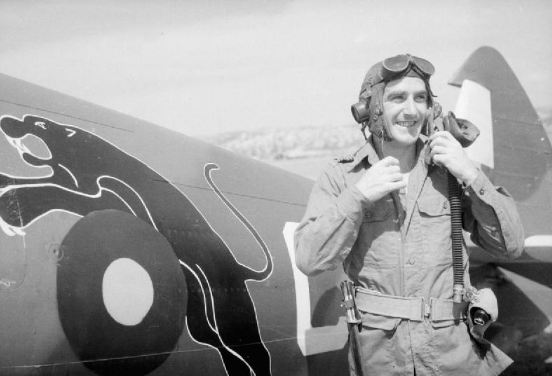
Military history is full of powerful stories about courage, sacrifice, and leadership. Among these, the story of squadron leader paddy flynn rcaf 152 squadron stands out for its strength and inspiration. His leadership of No. 152 (Hyderabad) Squadron highlights just how much the Royal Canadian Air Force contributed to victory during times of global conflict. This article reviews Flynn’s early life, unique service, and lasting impact. It also covers his squadron’s history, the aircraft they flew, and their critical combat missions.
- Who Was Paddy Flynn? The Early Life of a Squadron Leader
- The Formation and History of No. 152 Squadron
- Service in the Royal Canadian Air Force
- The Supermarine Spitfire: The Aircraft of No. 152 Squadron
- Operations in the Burma Campaign
- The Demands of Squadron Leadership in World War II
- Comparing Allied and Japanese Fighters in Burma
- Challenges in Far East Air Combat
- Lasting Legacy after World War II
- Remembering the Heroes: The Spirit of Leadership
- Key Takeaways
- Conclusion
- Frequently Asked Questions (FAQ)
Who Was Paddy Flynn? The Early Life of a Squadron Leader
Before achieving success as a squadron leader, Brendan “Paddy” Finucane Flynn grew up in a world facing the dangers of war. Details about his early years are limited, but it’s clear he felt a deep duty to serve. Like many others, Flynn joined the Royal Canadian Air Force with resolve and commitment.
Training to become a pilot was rigorous. RCAF pilots, including Flynn, faced tough ground school lessons in navigation, mechanics, and strategy. They then spent many hours practicing flight maneuvers, preparing for the harsh demands of combat. This intense beginning helped Flynn develop leadership skills and discipline. It was the first step toward his later heroic role.
The Formation and History of No. 152 Squadron
No. 152 (Hyderabad) Squadron, which Flynn would famously lead, has a fascinating background. The squadron first formed in 1918 as a night fighter unit, but was then disbanded after World War I. When another major conflict approached, No. 152 Squadron was reformed in 1939, thanks in part to funding from the Nizam of Hyderabad.
Throughout World War II, No. 152 Squadron was involved in many important campaigns. It first defended Britain during the Battle of Britain and later moved to several critical theaters. Eventually, under Flynn’s command, they played a vital role in the Burma Campaign. Their success showcased their ability to adapt to new environments and threats.
Service in the Royal Canadian Air Force
While Flynn is best known for commanding a Royal Air Force (RAF) squadron, his beginnings with the Royal Canadian Air Force (RCAF) were significant. Commonwealth forces, like Flynn and many of his peers, were often integrated into RAF squadrons during World War II. This international teamwork was crucial to the Allied war effort.
His service exemplified the cooperation and flexibility of Canadian forces in the larger Allied plan. His promotion to the rank of squadron leader reflected both skill and bravery. Also, Flynn was known for guiding his squadron through difficult and dangerous missions. Only the most trusted officers accepted such responsibility.
The Supermarine Spitfire: The Aircraft of No. 152 Squadron
The squadron became known for flying the legendary Supermarine Spitfire. Under Paddy Flynn’s leadership, No. 152 Squadron relied on these planes in the Southeast Asian theater. The Spitfire’s famous aerodynamic design and powerful engine made it a top choice for fighter pilots.
Flynn’s squadron flew upgraded Spitfires, such as the Mk VIII. These aircraft were adapted for hot, humid weather and included larger radiators and air filters. The team depended on these machines during their toughest missions. Mastering the Spitfire was essential to their survival and success, making the aircraft both a lifeline and a symbol of Allied air power.
Operations in the Burma Campaign
The Burma Campaign challenged every Allied airman, especially the pilots and crews of No. 152 Squadron. The unit faced a strong enemy and harsh natural conditions. Their duties included providing air cover, escorting bombers, and conducting ground attacks—often in dangerous weather.
Flynn’s leadership was critical during aerial battles and periods of heavy rain and heat. He worked hard to keep both machines and men in top condition. The squadron’s successes were crucial to pushing back Japanese forces and played a key role in the Allied victory in Burma.
The Demands of Squadron Leadership in World War II
Leading as a squadron leader during WWII came with great pressure. Flynn was more than an administrator; he also flew missions. The role called for planning, briefing pilots, and leading them in battle. Squadron leaders were responsible for up to two dozen planes and over 100 squadron members, including pilots and support staff.
Flynn performed both operational and care roles, balancing mission needs with the well-being of the men. Every decision could mean life or death. This made the responsibility challenging but vital to the squadron leader paddy flynn rcaf 152 squadron
Comparing Allied and Japanese Fighters in Burma
No. 152 Squadron, under Flynn’s leadership, flew against Japanese Army Air Force fighters in Burma. Here is a comparison of fighters they encountered:
Feature | Supermarine Spitfire Mk VIII | Nakajima Ki-43 “Oscar” |
|---|---|---|
Top Speed | Approx. 408 mph | Approx. 329 mph |
Armament | 2x 20mm cannons, 4x .303 machine guns | 2x 12.7mm machine guns |
Key Strength | Speed, firepower, and high-altitude performance | Exceptional maneuverability at low speeds |
Key Weakness | Less maneuverable in a tight turn | Lightly armed and lacked armor |
The Spitfire, piloted by Flynn’s team, had a clear advantage in speed and firepower. However, the Japanese “Oscar” was extremely nimble. This forced Allied pilots to use “boom and zoom” tactics—striking fast then climbing away—to keep an edge.
Challenges in Far East Air Combat
The Far East brought new and difficult challenges for Flynn and his squadron. The climate was tough, with extreme heat and heavy rain causing flight problems. Runways quickly became unusable mud during the monsoon season.
Thick jungles made navigation harder for the pilots. Crew risked getting lost, and if they parachuted out, survival in the jungle was dangerous. Threats like malaria also tested everyone’s health. Flynn needed to keep his squadron prepared to face these relentless, unique dangers.
Lasting Legacy after World War II
After World War II, No. 152 Squadron was disbanded in 1946, but their story did not end. Flynn’s influence continued as the squadron reformed in 1954, embracing modern jet technology. His actions remain a respected chapter in aviation history.
Today, military museums and records remember the bravery of Flynn and his team. Their story inspires new generations. For example, you can find articles about No. 152 Squadron in Trand Magazine.
Remembering the Heroes: The Spirit of Leadership
It’s important to celebrate heroes like Flynn. Official records show facts, but stories of sacrifice reveal the human side of war. He and his pilots gave up the safety of home to serve, facing new dangers every day.
Memorials and lessons from Flynn’s experience help us value the freedom we enjoy now. Keeping alive the legacy of No. 152 Squadron will inspire and teach for years to come.
Key Takeaways
- Squadron Leader Paddy Flynn was a highly respected RCAF officer leading No. 152 Squadron in the Burma Campaign.
- No. 152 (Hyderabad) Squadron, under Flynn, served in key battles like the Battle of Britain and Southeast Asia.
- The Supermarine Spitfire, flown by his team, provided important advantages in combat.
- Harsh climates and strong enemies tested the squadron, but their leadership pushed through each challenge.
- Leadership in wartime required bravery, planning, and care for over 100 people.
- Their legacy demonstrates the power of teamwork and courage in achieving victory.
Conclusion
The story of squadron leader paddy flynn rcaf 152 squadron is one of courage, leadership, and triumph over adversity. His path from recruit to commander shows strength and the will to serve. No. 152 Squadron faced many hardships and enemies. However, under his lead, they achieved great things. Their legacy tells us about sacrifice, bravery, and the true cost of freedom. Remembering their achievements helps keep these lessons alive for everyone.
Frequently Asked Questions (FAQ)
Q1: What was the main aircraft used by No. 152 Squadron in Burma?
No. 152 Squadron flew modified Supermarine Spitfires, especially the Mk VIII model, during their missions.
Q2: Why did a Canadian officer lead an RAF squadron?
During WWII, officers from the Commonwealth, like Flynn, were often integrated into British squadrons as part of Allied cooperation.
Q3: What does the “Hyderabad” name mean for No. 152 Squadron?
The title comes from the Nizam of Hyderabad, who contributed funds to form No. 152 Squadron before WWII.