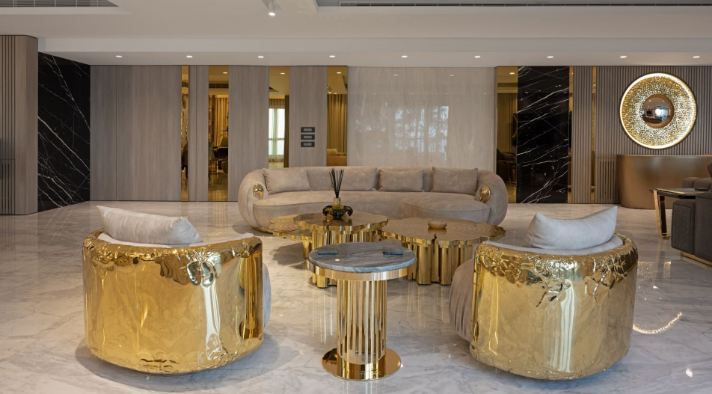
When you are looking to transform your home into a stunning masterpiece, finding the right inspiration is the first step. If you have ever searched for high-end design ideas, you might have stumbled upon blog luxuryinteriors.org. This platform stands out as a premier source for anyone passionate about elegance, sophistication, and modern living spaces. Whether you are a professional interior designer or a homeowner looking to upgrade your living room, understanding what makes a design blog valuable is crucial. In this article, we will explore the features, trends, and insights that make this specific blog a go-to resource for luxury enthusiasts.
Below, we dive deep into the world of high-end interiors, exploring how digital platforms influence modern aesthetics and why following a reputable source like blog luxuryinteriors.org can elevate your next renovation project.
The Rise of Digital Luxury Design Resources
The way we approach interior design has changed dramatically over the last decade. Gone are the days of waiting for monthly print magazines to arrive in the mailbox. Today, instant access to global trends is available at our fingertips. Websites like blog luxuryinteriors.org serve as digital libraries, offering a curated selection of the world’s most beautiful spaces. This shift to digital allows for real-time updates on emerging trends, from sustainable luxury materials to smart home integration.
A major benefit of online resources is the ability to visualize possibilities. Unlike static images in a magazine, digital blogs often provide comprehensive tours, before-and-after comparisons, and direct links to sourcing products. This accessibility democratizes luxury, making high-end aesthetics understandable and achievable for a broader audience. For homeowners in the United States, where home improvement spending is consistently high, having a reliable guide is essential for navigating the vast market of luxury furniture and decor.
Why High-End Design Matters in Modern Homes
Investing in luxury interior design is not just about spending money; it is about creating an environment that enhances your quality of life. A well-designed space influences your mood, productivity, and overall well-being. High-end design focuses on quality, longevity, and timeless appeal rather than fleeting fads. When you browse through blog luxuryinteriors.org, you aren’t just seeing pretty pictures; you are seeing the result of thoughtful planning and expert craftsmanship.
Luxury interiors often prioritize functionality alongside beauty. This means furniture that is comfortable, lighting that sets the perfect ambiance, and layouts that facilitate easy movement. In modern American homes, where open-concept living and multi-functional spaces are popular, these principles are vital. By focusing on high-quality materials like natural stone, hardwoods, and bespoke fabrics, luxury design ensures that your home remains stylish and durable for years to come.
Decoding the Style of blog luxuryinteriors.org
Every successful design blog has a unique voice and aesthetic, and blog luxuryinteriors.org is no exception. It typically showcases a blend of contemporary chic, classic elegance, and avant-garde innovation. Understanding the specific style of a blog helps you determine if it aligns with your personal taste. This platform often highlights spaces that feel expansive, light-filled, and meticulously curated, appealing to those who appreciate the finer details of architecture and decoration.
The content often features a mix of residential and commercial projects, providing a broad spectrum of inspiration. You might find a detailed breakdown of a penthouse in New York City alongside a feature on a minimalist villa in Los Angeles. This variety ensures that readers from different backgrounds and with different property types can find relevant ideas. The “luxury” element is defined not just by opulence, but by the exclusivity and uniqueness of the designs presented.
Key Design Elements Featured on the Blog
If you spend time reading blog luxuryinteriors.org, you will notice recurring themes that define modern luxury. One prominent element is the use of texture. Luxury isn’t flat; it is layered. You will see velvet sofas paired with marble coffee tables, or silk drapes framing steel-framed windows. These contrasts create visual interest and depth, making a room feel rich and inviting.
Another key element is lighting. High-end interiors treat lighting as jewelry for the home. From oversized crystal chandeliers to subtle architectural LED strips, lighting is used to highlight art, define zones, and set the mood. The blog often breaks down how top designers use lighting to transform spaces from ordinary to extraordinary. Furthermore, the integration of art is a staple. Whether it’s a statement sculpture or a gallery wall, art is presented as an integral part of the luxury home, not an afterthought.
Navigating Trends: Minimalism vs. Maximalism
One of the most engaging debates in the interior design world is the clash between minimalism and maximalism. Blog luxuryinteriors.org does an excellent job of covering both ends of the spectrum. Minimalism, with its “less is more” philosophy, focuses on clean lines, neutral palettes, and clutter-free spaces. It appeals to those seeking tranquility and order in their busy lives. The blog showcases how luxury minimalism uses high-quality materials to prevent the space from feeling cold or sterile.
On the other hand, maximalism celebrates abundance. It embraces bold colors, pattern mixing, and an eclectic collection of decor. This style is for the brave homeowner who wants their space to tell a vibrant story. The blog provides tips on how to execute maximalism without it becoming chaotic. By balancing these two opposing forces, the site offers a comprehensive view of what luxury can look like, proving that opulence comes in many forms.
Sustainable Luxury: A Growing Focus
Sustainability is no longer a niche interest; it is a central pillar of modern design. Blog luxuryinteriors.org frequently highlights eco-friendly luxury, demonstrating that you don’t have to sacrifice style to be environmentally conscious. This includes featuring furniture made from reclaimed wood, rugs woven from organic fibers, and paints that are free from harmful chemicals.
The intersection of green living and high-end design is fascinating. Readers can learn about energy-efficient smart home systems that reduce carbon footprints while increasing comfort. The blog also likely features designers who prioritize ethical sourcing and local craftsmanship. According to the U.S. Environmental Protection Agency (EPA), making sustainable choices in home renovation can significantly impact indoor air quality and environmental health, a topic often explored in depth by responsible design blogs.
How to Implement Luxury Ideas on a Budget
While the inspiration comes from high-end sources, not every reader has an unlimited budget. A valuable aspect of blog luxuryinteriors.org is that it can teach you how to achieve the “look” for less. It’s about understanding the principles of luxury—scale, proportion, and material—and applying them creatively. For example, instead of buying an authentic antique rug, you might find a high-quality reproduction that offers the same visual warmth.
Another strategy often discussed is the “splurge and save” method. This involves investing in one or two statement pieces—like a designer sofa or a piece of art—and pairing them with more affordable accessories. This approach elevates the entire room. You can find more tips on balancing budget and style on lifestyle hubs like Trand Magazine, which often complements the advice found on specialized interior blogs.
Comparison: DIY vs. Hiring a Professional
When tackling a renovation inspired by blog luxuryinteriors.org, a major decision is whether to do it yourself or hire a pro. Here is a breakdown of what to expect:
Feature | DIY Approach | Hiring a Professional Designer |
|---|---|---|
Cost | Generally lower; you pay for materials only. | Higher; includes design fees and labor. |
Control | 100% control over every decision and timeline. | Collaborative; requires trusting the expert. |
Expertise | Limited to your own knowledge and research. | Access to industry knowledge and resources. |
Time | Can be very time-consuming and stressful. | Saves you time; the pro manages the project. |
Outcome | Variable; depends on skill level. | Polished, cohesive, and high-quality finish. |
The Role of Color Psychology in Luxury Interiors
Color is a powerful tool in interior design, capable of altering the perception of space and time. Blog luxuryinteriors.org likely dedicates significant space to color trends. In luxury settings, we often see sophisticated palettes. Deep jewel tones like emerald green, sapphire blue, and burgundy add a sense of drama and regality. These colors are often used in formal living areas or dining rooms to create an intimate atmosphere.
Conversely, the “quiet luxury” trend relies heavily on warm neutrals—beiges, creams, and soft terracottas. These hues create a sanctuary-like vibe, promoting relaxation. The blog explains how to layer different shades of the same color to create a monochromatic look that is textured and interesting rather than flat. Understanding color psychology helps homeowners choose palettes that reflect the emotion they want to evoke in a room.
Furniture Selection for the Elite Aesthetic
Furniture is the backbone of any interior. On blog luxuryinteriors.org, the focus is on craftsmanship and silhouette. Mass-produced, flat-pack furniture rarely makes the cut. Instead, you will read about bespoke joinery, hand-stitched upholstery, and solid wood frames. The blog guides readers on what to look for when purchasing investment pieces.
Key takeaways often include checking the frame construction (kiln-dried hardwood is best) and the quality of the cushioning (high-density foam wrapped in down). The site might also profile iconic furniture designers, both past and present, helping readers recognize classic pieces that hold their value. Whether it is a mid-century modern chair or a contemporary modular sofa, the emphasis is always on form meeting function in the most elegant way possible.
Accessorizing: The Finishing Touches
Accessories are what turn a house into a home. They add personality and lived-in charm. Blog luxuryinteriors.org excels at showing how to style surfaces like bookshelves, coffee tables, and mantels. The rule of three (grouping items in odd numbers) is a common tip found in design literature.
Luxury accessories often include coffee table books, artisanal ceramics, fresh florals, and unique travel souvenirs. The blog teaches that less is often more; a few well-chosen pieces have a greater impact than a cluttered collection of knick-knacks. It encourages readers to curate their belongings, displaying only what they truly love or find beautiful. This curation process is central to maintaining the clean, sophisticated look synonymous with luxury interiors.
Smart Home Technology Integration
Modern luxury is smart. It is intuitive and connected. Blog luxuryinteriors.org covers how technology is seamlessly integrated into high-end design. We aren’t just talking about a smart speaker on the counter; we are talking about automated blinds that adjust to the sun, lighting systems that change color temperature throughout the day, and hidden entertainment systems.
This integration requires careful planning so that the technology enhances the design rather than distracting from it. For instance, “The Frame” TVs that look like art when turned off are a favorite in luxury blogs. According to industry reports, the smart home market is rapidly expanding, becoming a standard expectation in luxury real estate listings.
Conclusion: Elevating Your Living Space
In the vast ocean of online content, blog luxuryinteriors.org serves as a lighthouse for design lovers. It provides more than just images; it offers education, inspiration, and a roadmap to creating beautiful spaces. From understanding the nuances of color psychology to navigating the complexities of sustainable materials, the blog covers the essential pillars of high-end design.
By following the insights and trends discussed on the platform, you can approach your next home project with confidence. Whether you choose to embrace bold maximalism or serene minimalism, the key is to prioritize quality and personal expression. Remember, true luxury is about creating a home that feels authentically yours, designed to support the life you want to live.
Key Takeaways
- Digital Inspiration: Online platforms like blog luxuryinteriors.org provide real-time access to global design trends.
- Quality Over Quantity: Luxury design prioritizes durable materials, craftsmanship, and timeless aesthetics.
- Style Diversity: The blog covers a wide range of styles, from minimalism to maximalism, ensuring relevance for various tastes.
- Sustainability: Eco-friendly practices and materials are becoming central to modern luxury interiors.
- Personalization: True luxury is achieved by curating a space that reflects the homeowner’s personality and lifestyle needs.
Frequently Asked Questions (FAQ)
1. Is blog luxuryinteriors.org suitable for DIY enthusiasts?
Yes, the blog offers plenty of inspiration and practical tips that DIY enthusiasts can apply to their own projects, even on a budget.
2. How often should I update my home decor to stay trendy?
Luxury design often focuses on timelessness. Instead of frequent overhauls, focus on updating small accessories or textiles every few years to keep the look fresh without major renovations.
3. Can I achieve a luxury look with a small budget?
Absolutely. Focus on decluttering, improving lighting, and investing in one or two high-quality statement pieces while saving on smaller decorative items.
4. What is the most important element of luxury interior design?
While subjective, many experts agree that lighting and texture are the most critical elements for creating a high-end atmosphere.
5. Does the blog cover outdoor spaces?
Most comprehensive luxury design blogs, including blog luxuryinteriors.org, also cover outdoor living areas, landscaping, and exterior architecture.